Focus Areas
Addressing the lifecycle of manufactured goods to reduce solid waste pollution
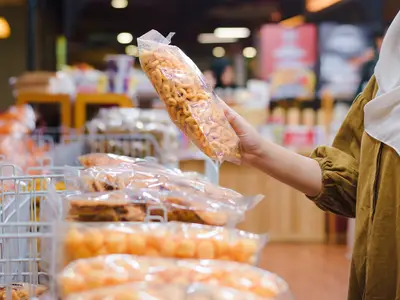
Consumer goods have increased comfort and convenience, but overconsumption of products—such as single-use plastics—has led to an unsustainable system that is wreaking environmental havoc. Traditional manufacturing models assume there will be unlimited resources to produce goods and infinite environmental space to absorb waste.
What is a Circular Economy?
The term “circular economy” refers to a holistic way of looking at production and consumption. Rather than a linear model of manufacturing where a product is made, used, and disposed of, a circular economy uses byproducts from one process as raw materials for another. It aims to limit the overconsumption of single-use-items by creating reusable products, recycling those in use, and re-manufacturing products using recyclable materials.
This is very different from the way that most consumers are accustomed to acquiring and using every-day products. Even so, businesses, governments, and consumers are increasingly interested in the circular economy for resource efficiency and cost savings.
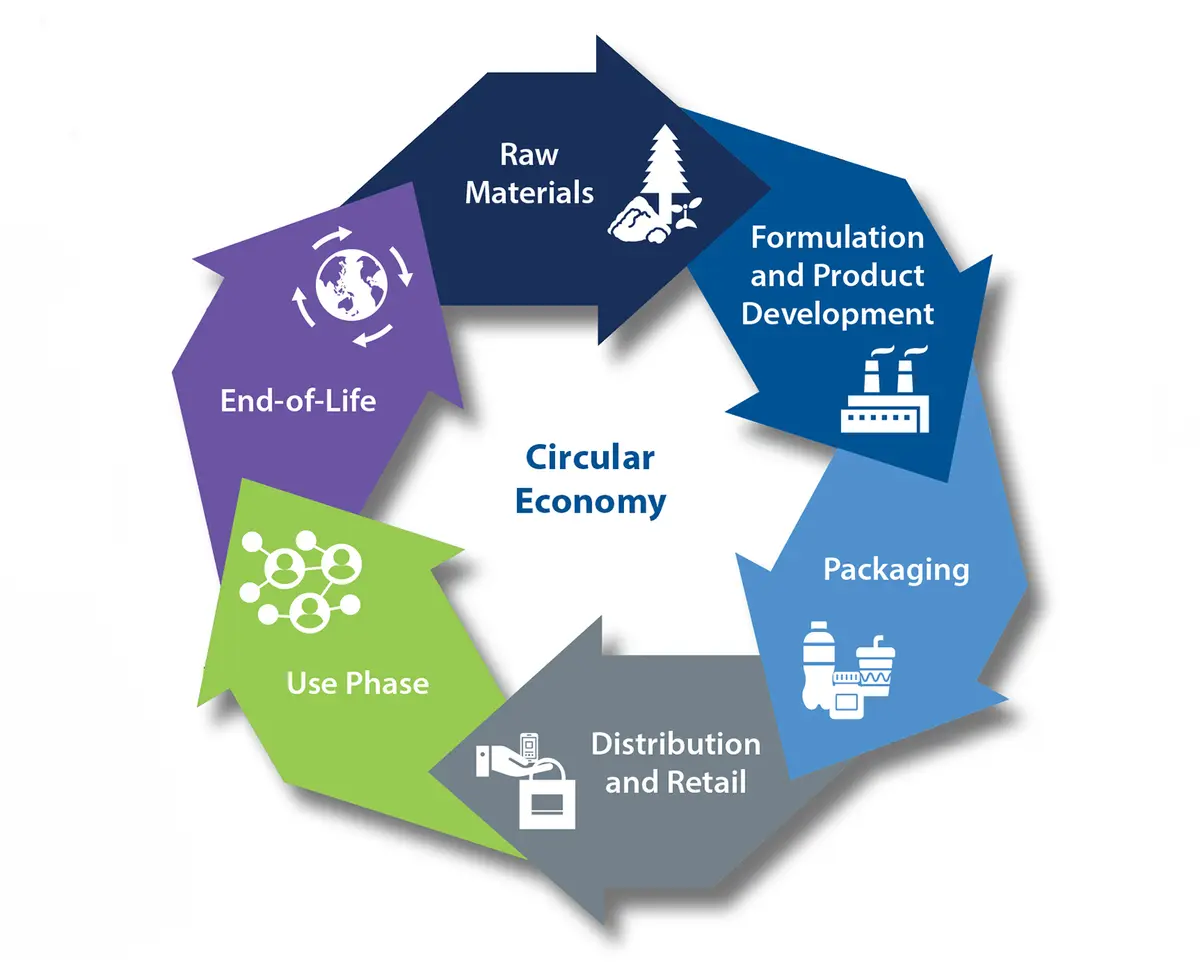
RTI Services Supporting the Circular Economy
Circularity involves a series of tradeoffs, including cost, environmental impact, risk, and operational implications. To make informed investment decisions, organizations need defensible, systems-level insight on how circular strategies will perform across supply chains.
RTI International partners with public- and private-sector clients in the med-tech, consumer goods, and manufacturing sectors to evaluate and implement circular economy practices. Our solutions are pressure tested across the full circularity lifecycle to ensure that they will hold up in practice, not just in theory.
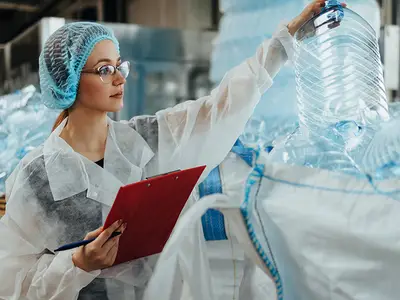
Plastic Waste Reduction and Management
- Redesigning packaging and reformulating products.
- Identifying infrastructure gaps in waste management analyses.
- Developing technologies to recycle end-of-life plastics into new products.
- Reducing ocean plastics by improving solid waste management.
Sustainable Energy Solutions
- Creating technologies to convert carbon dioxide, methane, and other greenhouse gases into sustainable fuels.
- Converting textile waste into reusable materials.
Material Innovation, Analysis & Consulting
- Designing decision-making tools for evaluating solid waste management options.
- Providing economic analyses for sustainable waste management practices that outline costs, tradeoffs, and operational feasibility.
- Performing life cycle assessments that evaluate the environmental, monetary, and social impacts of materials.
- Researching and developing sustainable materials to replace single-use materials, accounting for performance, scale, and real-world adoption considerations.
Let’s connect on circular economy solutions to tackle your top challenges
Meet the Experts
View All Experts
Navigate to
Emily Thompson

Emily Thompson
Navigate to
Allison Lim

Allison Lim
Navigate to
Thaïs Matha

Thaïs Matha
Navigate to
Wout Salenbien

Wout Salenbien
Navigate to
Amy Rydeen

Amy Rydeen
Navigate to
Jamie Pero Parker

Jamie Pero Parker
Navigate to
Keith Weitz