Focus Areas
Addressing the risks of exposure to toxic substances to improve human health and the environment
What are contaminants of concern?
Contaminants of concern are potentially hazardous chemicals and substances that are increasingly observed in the environment, personal care products, and pharmaceuticals. The manufacturing, processing, distribution, use, and disposal of commercial and industrial chemicals—including nanomaterials—can pose significant threats to human health and the environment. Naturally occurring microbial substances and pathogens can also pose similar risks.
Identifying and analyzing contaminants of concern
As contaminants of concern become increasingly present in the environment and in consumer products, it’s important to take steps to identify and analyze them. Additionally, it’s vital to mitigate the release of chemicals into the environment and to educate communities on how to limit their exposure and risk.
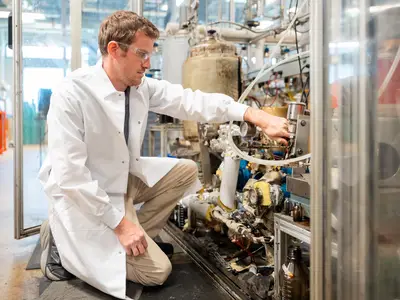
Through sample collection, research methodologies, state-of-the-art laboratory facilities, and models, we can support clients with data-driven decision analysis to characterize multimedia, multi-pathway exposures and human and environmental health impacts.
Minimizing risk of exposure to contaminants
To understand the risk of exposure to a substance or contaminant, it is important to understand sources of exposure along with environmental and behavioral factors that increase exposure. By linking environmental and human health problems to contaminant exposures, we can identify and implement reasonable risk mitigation strategies, including looking for viable, nontoxic alternatives, advocating for policy change, cleaning up infrastructure, treating air, water, and soil quality, and more.
Providing protection from contaminants
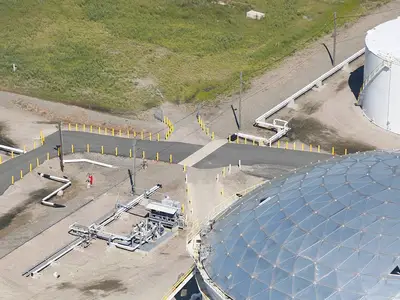
Considering the risks of exposure to harmful contaminants, it’s important to focus on how best to protect all people and all communities. Fenceline communities are located near industrial chemical manufacturing or waste management facilities and are prone to higher rates of chemical exposures and disproportionate adverse health outcomes.
Best practices for working with partners on addressing contaminants of concern include centering community-based research, using participatory science approaches, and relying on the input of local leaders.
Plastics & Microplastics
Plastic is ubiquitous, contributing to waste management issues and pollution. RTI offers innovative solutions that address the full plastic life cycle—from sustainable product design to waste management and recycling initiatives. We help clients create safer plastic designs, employ smarter use practices, and incorporate system-wide innovation.
Learn more about our services.
Microplastics are tiny pieces of plastic—smaller than 5 mm—that are formed as larger pieces of plastic break down. Research shows that microplastics are everywhere from remote areas like Antarctica to penetrating the blood brain barrier in humans and disrupting plant growth.
Learn more about what RTI is doing to address these tiny toxins.
Asbestos
Asbestos are a group of six naturally occurring mineral fibers used in building materials, insulation, and automotive parts. Studies show that these fibers can cause chronic inflammation and cancer. While the U.S. Environmental Protection Agency has banned the use of asbestos in the United States, they still have a significant prevalence in older buildings, particularly those built before the 1980s.
RTI is an industry leader in providing proficiency testing for bulk asbestos analysis. Our experts leverage polarized light microscopy (PLM), transmission electron microscopy (TEM), and X-ray diffraction to identify and analyze asbestos in building materials.
Learn more about our services.
Our program, Clean Classrooms for Carolina Kids™, mitigates exposure to asbestos in North Carolina classrooms and childcare centers. Learn more here.
PFAS
Per- and polyfluoroalkyl substances (PFAS) are a group of over 15,000 synthetic chemicals that are used in consumer products like non-stick cookware, water-resistant fabric, and personal care products. PFAS are considered “forever chemicals” because they do not break down easily in nature. Studies show that PFAS can build up in the body and lead to health issues, including cancer and endocrine disruption.
RTI offers PFAS testing, assessment, remediation, and alternatives, including the first-of-its-kind study evaluating how PFAS in municipal drinking water at local breweries affects PFAS presence in beer.
Learn more about our services.
Food Contact Chemicals
Food contact chemicals leach into food from food processing materials. Some of the most common materials are plastics that contain toxic chemicals, including bisphenol A (BPA) and phthalates. These chemicals increase the risk of cancer and can cause hormone disruption.
RTI works with commercial clients to prevent exposure to food contact chemicals from packaging.
Learn more about our services.
Metals
Metal toxicity exposure can cause physical and neurological harm, including brain fog, organ damage, and chronic fatigue. RTI is at the forefront of detecting and assessing toxic metals, including lead, cadmium, and arsenic.
RTI’s Clean Water for US Kids™ began as a local initiative to eliminate lead exposure from tap water at childcare facilities. Facilities could then upgrade pipes that emit a toxic level of lead. Today, the program mails water sampling kits to homes across the nation. Participants return their sample back to RTI where the water is tested for toxic levels of lead.
Learn more about the program.
Meet the Experts
View All Experts
Navigate to
Samantha Blake

Samantha Blake
Navigate to
Amelia Craze Smith

Amelia Craze Smith
Navigate to
Thaïs Matha

Thaïs Matha
Navigate to
Gabriela Santana

Gabriela Santana
Navigate to
Shannon Bell

Shannon Bell
Navigate to
Jennifer Hoponick Redmon

Jennifer Hoponick Redmon
Navigate to
Imari Walker-Franklin

Imari Walker-Franklin
Navigate to
Kayla Messier Jones

Kayla Messier Jones
Navigate to
Jamie Pero Parker

Jamie Pero Parker
Navigate to
Eric Poitras

Eric Poitras
Navigate to
Laura Haines-Poitras

Laura Haines-Poitras
Navigate to
Katherine Bollinger

Katherine Bollinger
Navigate to
Megan Grabenauer

Megan Grabenauer
Navigate to
Anna Aceituno

Anna Aceituno
Navigate to
Ted Lillys

Ted Lillys
Navigate to
Donna Womack