RTI uses cookies to offer you the best experience online. By clicking “accept” on this website, you opt in and you agree to the use of cookies. If you would like to know more about how RTI uses cookies and how to manage them please view our Privacy Policy here. You can “opt out” or change your mind by visiting: http://optout.aboutads.info/. Click “accept” to agree.
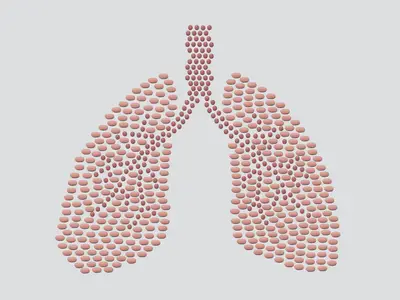
Primary human in vitro systems offer important opportunities to improve the human relevance of toxicology studies, but relevance is not guaranteed by human cell origin alone. This session examines how rigorous design, careful characterization, and physiologically grounded exposure conditions influence confidence in data interpretation. Using respiratory models as a focal example, the webinar will explore how biological variability can provide meaningful insight when it is distinguished from technical noise, and how experimental choices shape the reliability and applicability of study results. Participants will consider when added biological complexity, such as co-culture models or repeated exposure designs, meaningfully reduces uncertainty and when it may simply add complexity without improving interpretation. The session provides practical perspectives on building primary human in vitro systems that are fit for purpose, scientifically rigorous, and capable of generating data that can be integrated with broader mechanistic and computational evidence to support decision-making.
RTI shares its evidence-based research - through peer-reviewed publications and media - to ensure that it is accessible for others to build on, in line with our mission and scientific standards.