Evaluating the frequency of extreme storms for dam safety
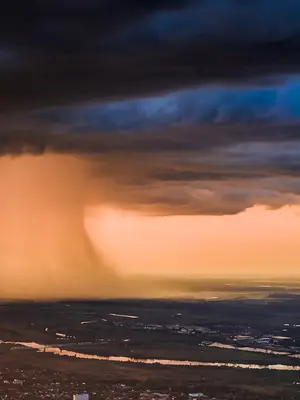
Precipitation frequency (PF) analysis is a cornerstone of hydrometeorology, used to quantify how often extreme rainfall events of different magnitudes are expected to occur. These analyses guide engineers, planners, and water resource managers in designing high-risk infrastructure like dams to withstand heavy rainfall events and reduce flood risk.
RTI applies innovative statistical methods to produce stable and reliable PF estimates even when data records are limited or noisy. This approach ensures that our frequency relationships provide a robust foundation for engineering design and planning.
Improving Precipitation Frequency Estimates with Storm Typing
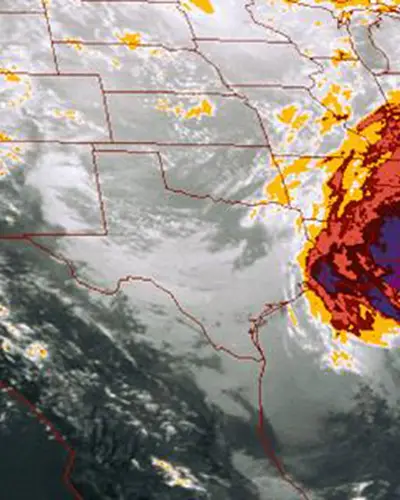
RTI enhances these statistical methods by incorporating advanced storm typing into our precipitation frequency studies when applicable. Instead of treating all extreme rainfall events as the same, we first categorize precipitation by their meteorological drivers—tropical cyclones, frontal systems, local thunderstorms, and more. This crucial step greatly reduces statistical noise and increases confidence in our results. Importantly, by developing separate PF relationships for each storm type, end-users can identify which types of storms dominate risk at a given site.
Projecting Future Precipitation Risks Using Climate Model Integration
We can extend our PF capabilities further by integrating projections from global climate models. In this way, we can assess how precipitation frequency characteristics may shift under potential future temperature increases. These analyses provide insight into whether design standards based on historical conditions will remain sufficient, or whether additional upgrades are needed to account for projected changes in storm intensity or frequency.
RTI's Comprehensive Precipitation Analysis
By combining rigorous statistical methods, storm typing, and climate-informed projections, RTI delivers precipitation frequency analyses that are both robust and practical. Our approach provides water managers with a clearer understanding of extreme rainfall risks, enabling more resilient infrastructure design and better-informed decision-making. With these tools, stakeholders can make informed decisions to safeguard infrastructure and communities against extreme rainfall events.
Learn More About Our Solutions
Meet the Experts
Meet the Experts
Navigate to
Debbie Martin

Debbie Martin
Navigate to
Victoria Sankovich Bahls

Victoria Sankovich Bahls
Navigate to
Kyle Chudler

Kyle Chudler
Navigate to
Janel Hanrahan

Janel Hanrahan
Navigate to
Sanja Perica