Insights


Key Takeaways
School shootings remain a persistent national challenge. U.S. K–12 schools experienced 330 shooting incidents in 2024, continuing a troubling trend of rising violence.
Schools are implementing a wide range of safety strategies. Current approaches include threat assessment teams, security measures, mental health supports, school climate initiatives, and gun safety laws.
Youth perspectives are often missing from these discussions. Students have firsthand insight into school environments and safety interventions but are rarely included in research or policy conversations.
Youth voices can strengthen prevention efforts. Engaging students can help identify effective strategies, surface unintended consequences, and improve school safety initiatives.
Youth engagement can lead to more responsive solutions. Incorporating student perspectives can support safer, healthier, and more sustainable school environments.
School Shootings and the Expanded School Safety Crisis
In 2024, America’s K-12 schools experienced 330 shooting incidents, the second-highest number ever recorded in a single year, according to the K-12 School Shooting Database. This alarming figure follows the record-breaking 349 school shootings reported just one year earlier in 2023, underscoring an escalating crisis in school safety.
How Schools are Addressing the Threat of Gun Violence
In response to rising concerns about school violence, an evolving set of strategies, programs, and policies have been designed to prevent violence while ensuring student well-being and creating a secure learning environment. These interventions address school safety from various angles including threat assessments and reporting systems, enhanced school security, expanded mental health supports, efforts to promote a positive school climate, and the implementation of gun safety laws (see Exhibit 1—School Safety Interventions).
Exhibit 1 - School Safety Interventions
| Intervention Type | Purpose | Examples |
|---|---|---|
| Threat assessments and reporting | Identify, evaluate, and manage potential threats of violence. | Multidisciplinary teams of administrators, mental health professionals, and law enforcement assess the risk a person poses to themselves or other. Anonymous reporting systems (tip lines, websites, and apps) allow students and others to report concerns about potentially dangerous individuals without fear of retaliation. |
| School security | Deter and respond to potential school attacks. | Controlled access measures, including single-entry points, fencing, and interior door locks on classrooms, allow management of who enters the building. Surveillance cameras help to monitor activity on school campuses. |
| Mental health supports | Address underlying issues contributing to violence. | The promotion of mental health awareness helps to destigmatize help seeking behavior and encourage students to speak up about concerns. Access to on-site counseling and therapy and case management increases students’ ability to receive needed care and treatment. |
| Promotion of positive school climate | Fosters stronger bonds, trust, and communication between students and staff. | Positive behavioral interventions and supports proactively teaches and reinforces positive behaviors, which can contribute to a safer school climate where violence is less likely to occur. Social and emotional learning helps students understand and manage their emotions, build positive relationships, and make responsible decisions, which helps prevent conduct problems. |
| Gun safety laws | Limit access to firearms for those who pose a risk of violence and by promoting responsible gun ownership. | Child Access Prevention Laws mandate that households with children keep firearms unloaded, locked, and stored securely. Extreme Risk Protection Orders allow family members and law enforcement to petition a court to temporarily remove firearms from individuals posing a serious risk of harm to themselves or others. |
Your Voice Matters: Youth Voices Can Help Shape the Future of School Safety
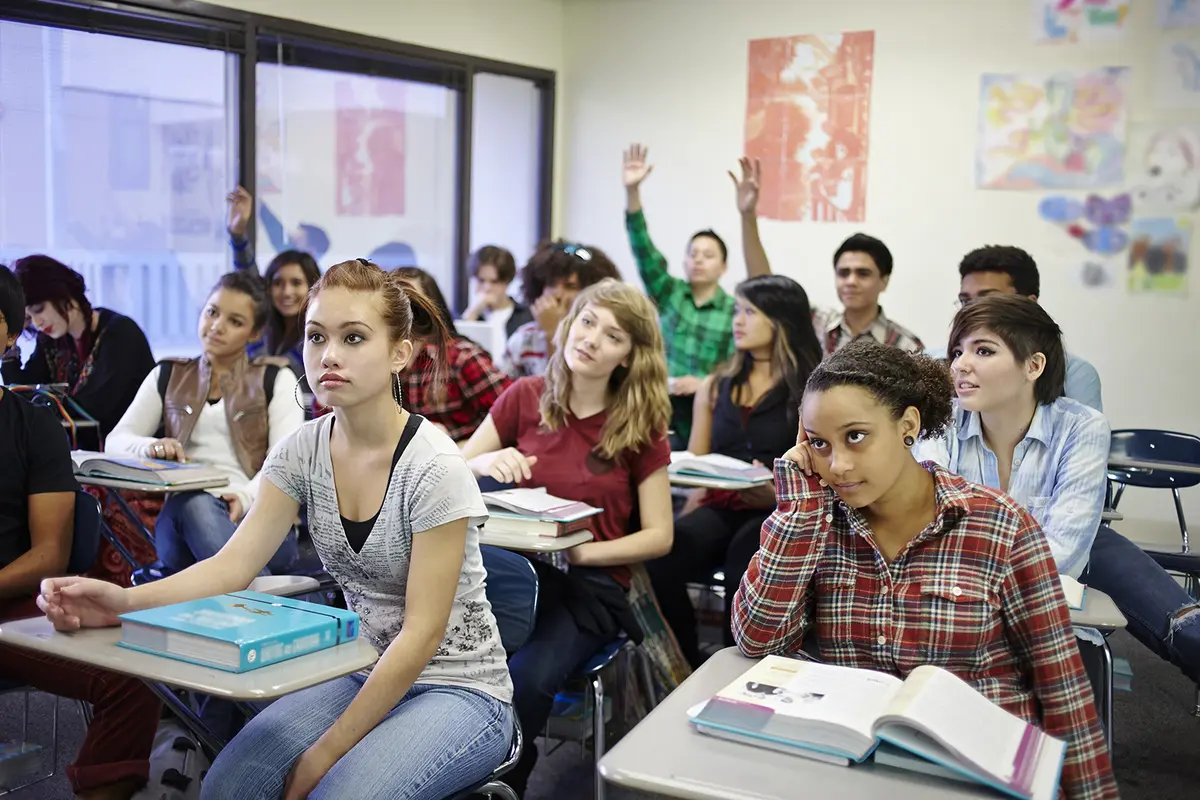
Despite growing literature on the magnitude of school violence and efforts to prevent it, youth perspectives remain largely absent from the conversation. Youth offer invaluable, firsthand insight into the realities of today’s school environments, as they are the ones most directly affected by both the threats of violence and the solutions.
Their lived experiences give them a unique understanding of what’s working, what’s not, and what safety measures may cause unintentional harm. Youth are also closely attuned to the nuances of school climate, peer relationships, and social dynamics that can signal underlying issues before they escalate.
By empowering youth to take an active role in school safety research, schools and communities can create more responsive, relevant, and sustainable approaches to safety and well-being.
Disclaimer: This piece was written by Jay Feldman (Senior Researcher, Education and Equity) to share perspectives on a topic of interest. Expression of opinions within are those of the author or authors.