Insights


Key Takeaways
Cyclospora is a complex foodborne parasite that is difficult to detect and trace. Food safety is a critical prevention and mitigation strategy alongside detection efforts.
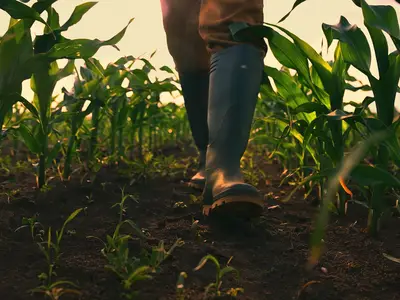
Food safety begins long before produce reaches consumers. Agricultural water quality, sanitation, worker hygiene, soil amendments, and environmental monitoring all play important roles in preventing contamination.
Root cause analysis is essential after every outbreak. Understanding how contamination occurs helps producers strengthen preventive controls and reduce future food safety risks.
Data sharing and disease surveillance can improve outbreak detection. Cloud-based diagnostic data and laboratory reporting may help identify unusual increases in cyclospora cases earlier.
Food safety training helps producers reduce risk. Practical education on agricultural water management and on-farm food safety supports stronger preventive practices across the food supply chain.
Understanding the Cyclosporiasis Outbreak and Food Safety
Farm-fresh, tasty fruits and vegetables are a summer treat as wholesome as splashing in a swimming pool. But this summer, millions of Americans have been skipping the salad bar and hesitating in the produce section, wary of an outbreak of gastrointestinal (GI) disease.
In early May, public health officials in several states began reporting cases of cyclosporiasis, a parasitic infection that causes watery diarrhea and major digestive discomfort. The parasite is present in human feces and spreads when there are failures in human waste management. For instance, if there is a flood and human sewage contaminates the water used to irrigate fruits and vegetables. Unlike other microbes that spread through the food supply and cause diseases in humans, cyclospora is difficult to trace. In late July, lettuce emerged as the outbreak’s most likely cause. But the long period of uncertainty has cast doubt over the safety of all raw produce.
The message to consumers, widely repeated across all media, is to rinse fresh produce before eating and prioritize cooking fruits, vegetables, and herbs rather than eating them raw. But because this isn’t always effective against cyclospora, attention is turning to safety measures during the process of food production.
RTI has a long history of working in food safety at both the producer and consumer levels. We sat down with public health analyst Juliana Ruzante, one of our leading researchers in this crucial area, to discuss the cyclosporiasis outbreak, how food producers can help stop the spread and prevent future incidents, and her ongoing food safety work.
What makes cyclosporiasis different from other foodborne illnesses?
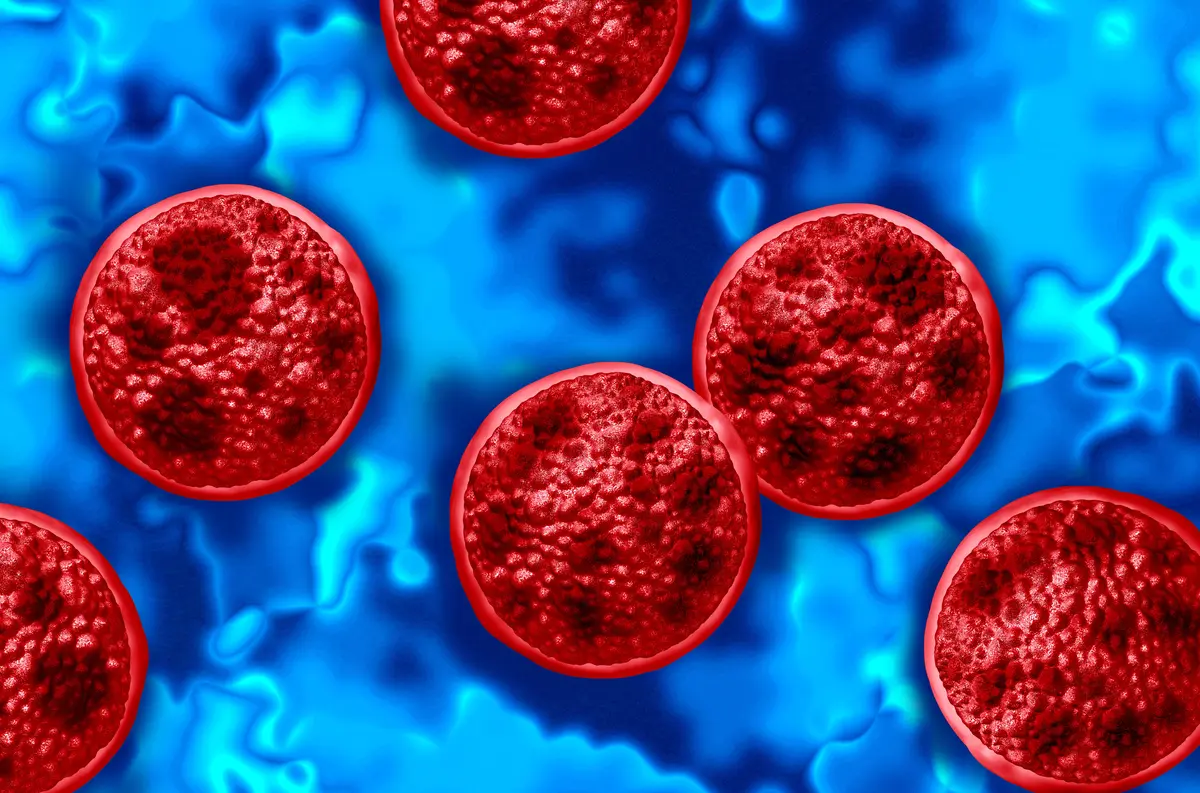
Cyclospora is a parasite — a more complex organism than the bacteria and viruses that cause many other foodborne illnesses. It infects humans, then spreads when there are failures in human waste management, directly contaminating the soil or the water supply used before and after crops are harvested. The organism goes through a life stage called an oocyst, sticking to the surface of food and surviving for an extended time before someone eats it. Then it takes days or weeks for the person to become sick. All of these factors make it hard to tie someone’s illness to a specific food.
You’ve worked on a variety of projects that aim to improve food safety, often with funding from the U.S. Department of Agriculture. Tell us more about the training programs you have developed for farmers, food manufacturers, and food handlers.
RTI has a longstanding partnership with USDA, and maintaining food safety throughout the value chain is one area where we collaborate. With funding from the USDA National Institute of Food and Agriculture, we joined up with colleagues from Virgina Tech and North Carolina State University to develop online courses on water quality and soil amendments. This work supports nationwide efforts to protect the food supply, as set out in the Food Safety Modernization Act of 2011.
These courses include 360-degree immersive tours of a small farm and a farmers’ market. The material is taught in English and Spanish, and aimed at small and mid-size food producers. It highlights important steps to ensure the safe use of pre- and post-harvest water as well as the application of soil amendments — practical advice that improves food safety.
Where can researchers find data comparing cyclospora infections to similar infectious diseases?
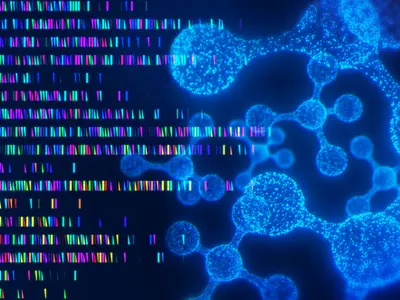
There are many pathogens that cause GI illnesses. Timely diagnosis and reporting of foodborne diseases are key for the detection of outbreaks. A few years ago, my colleagues and I conducted a study analyzing cloud-based data from the GI FilmArray, a test that can detect 22 different GI pathogens, including Cyclospora cayetanensis. Most of these are considered foodborne diseases. Without sharing any information about the patients or their locations, bioMérieux, the company that makes the GI FilmArray, publishes trends in an interactive dashboard. If you look at it now, there is a significant increase in cyclospora cases.
Our paper looked at data about positive GI FilmArray test results from 2016 through 2018. We found that the results mirrored outbreaks that were being tracked at the time. While not designed for tracking outbreaks, the de-identified bioMérieux data are useful because they’re nearly real-time, and include lesser-known pathogens that aren’t always under surveillance.
Real-time data like this can complement and strengthen ongoing public health surveillance. Alternative sources like the dashboard from bioMérieux can help us spot unusual increases in cyclospora. Health authorities can then target food safety education, investigations, and enforcement efforts where they are most needed.
After the initial crisis is over, what lessons do you hope the food safety community takes from this summer’s cyclosporiasis outbreak?
One important lesson is that food safety has to start well before an outbreak is detected. Cyclospora is a difficult pathogen to manage. The sanitation failures that can eventually cause an outbreak occur well before food is harvested. The organism can persist on fresh produce in its oocyst stage, and the usual ways people wash produce don't always remove it. This reinforces the need for strong preventive controls, especially around agricultural water, sanitation, worker hygiene, soil amendments, and environmental monitoring.
Consumer-level advice, while important, is not enough to combat cyclospora. This outbreak is a reminder of why the preventive framework established under the Food Safety Modernization Act is so important: food safety systems need to identify hazards, assess risks, and implement practical controls before contaminated products reach consumers. The FDA’s Cyclospora Prevention, Response and Research Action Plan similarly emphasizes prevention, stronger response activities, and filling knowledge gaps as priority areas for reducing foodborne illness caused by cyclospora in produce.
Root cause analysis should be a standard part of the response once an outbreak source is identified. Understanding where and how contamination occurred is essential for preventing recurrence, regardless of the contributing factors.
Finally, this outbreak highlights the value of better data integration and earlier signals. Traditional foodborne disease surveillance remains essential, but complementary data streams may help identify unusual increases in cyclospora detections. Going forward, the food safety community should continue investing in surveillance tools, laboratory capacity, data sharing, and applied training. Programs such as the water quality and soil amendment trainings funded by USDA and developed by RTI and partners are a practical place to start.
Disclaimer: This piece was written by Juliana Ruzante (Research Public Health Analyst) to share perspectives on a topic of interest. Expression of opinions within are those of the author or authors.