Insights



Key Takeaways
Consumer awareness of ultra-processed foods is rising. More Americans are questioning ingredients, labeling, and the role of processing in their diets.
Ultra-processed foods remain difficult to define. Systems like the NOVA classification are widely used but do not provide a universally accepted definition for consumers or industry.
Policy attention is increasing. States are beginning to regulate certain ingredients in school foods, and federal agencies are exploring definitions for ultra-processed foods.
Food companies are responding with reformulation and clean-label innovation. Many manufacturers are removing artificial ingredients and investing in next-generation alternatives.
Industry innovation will shape the next phase of the ultra-processed foods shift. Companies will need new ingredients, supply chains, and technologies to meet consumer expectations and potential policy changes.
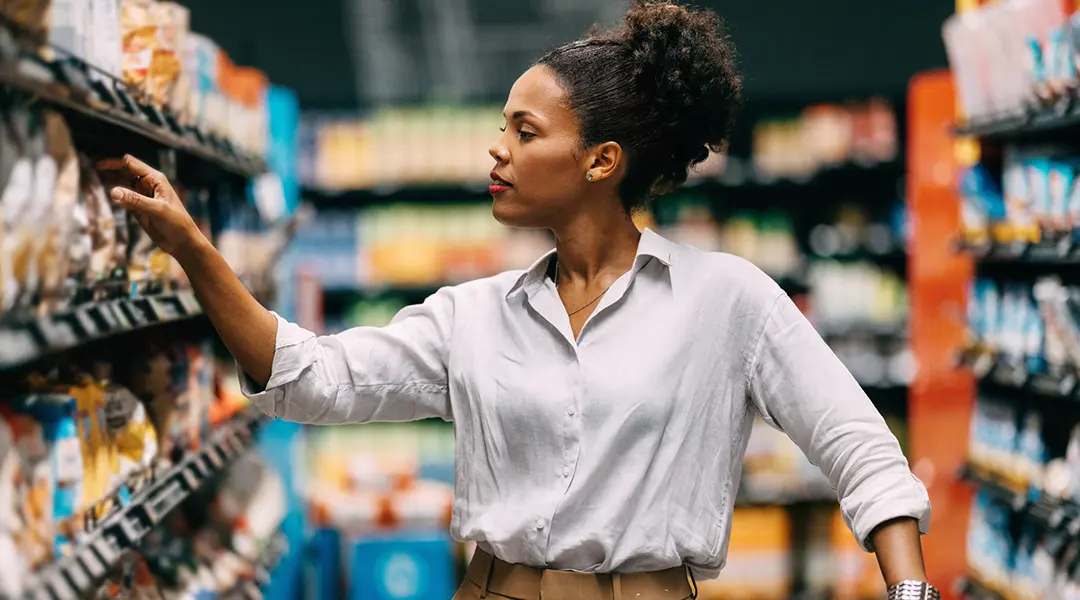
Americans are asking questions about the food they eat.
Food industry leaders and consumers alike may say that we are at a turning point when it comes to ultra-processed food (UPF) consumption in the United States. Consumers are seeking transparency about the food they eat, the food industry is aiming to meet evolving consumer demands, and policy shifts signal that regulatory changes may be on the horizon.
RTI International offers a scientific perspective on food trends. We have helped a variety of clients align their products with changing consumer preferences, including by identifying alternative ingredients that align with health goals and other preferences. For one recent project, we searched for natural, high intensity sweeteners—potential replacements for table sugar that can provide a similar flavor with fewer calories. These and other examples from our work in the food, beverage, and agriculture industries place us in a strong position to understand the current conversation about UPFs.
What Are Ultra-Processed Foods?
UPFs are made from ingredients that undergo various industrial processes to improve their shelf life, texture, flavor, and convenience. You have probably heard messages about limiting consumption of UPFs or eating more whole foods. However, consumers are navigating a complex landscape, which is highlighted by the fact that there is no universally accepted definition of UPFs.
In 2009, a group of researchers at the University of São Paolo, led by Carolos Monteiro, created the NOVA classification system, which is still in wide use. The system categorizes foods into four groups based on the extent and purpose of their processing, ranging from unprocessed or minimally processed to ultra-processed. However, NOVA has its limitations, as it doesn’t offer a way for consumers to easily understand and apply the classification system when deciding what foods to eat.
WISEcode, a food tech company founded by Peter Castleman, entered the scene in 2021. This consumer-facing mobile app offers food processing classification information to help consumers make informed decisions. Consumers can scan food items, and the app categorizes them—from minimal to super ultra-processed—and provides other details about ingredient risks, added sugar, and high-risk additives.
Despite having these systems—and other consumer-facing apps—on the market, the absence of a common classification system for processed foods leads to confusion among all stakeholders. In 2025, the U.S. Food and Drug Administration (FDA) issued a Request for Information to help develop a definition of UPFs. Although we don’t know how these data will be used, the need for a clear, transparent, and accessible definition for UPFs remains.
What’s Driving the Ultra-Processed Foods Shift?
Limiting the intake and improving the nutrient density of processed foods has been discussed for many years. However, these conversations have turned to action recently.
Awareness about UPFs among consumers is rising. In the International Food Information Council’s 2025 Food & Health Survey, 44 percent of respondents were familiar with the term “ultra-processed food,” a 12 percent jump from 2024. More consumers are demanding transparency when it comes to their food, but it is unclear if consumers’ purchasing behavior aligns with their intentions since UPFs remain convenient and affordable.
Every day consumers are inundated with information about UPFs that can be challenging to navigate. Ingredients, labels, verified classifications (e.g., Non-GMO Project Verified), and shelf labels at stores may help some consumers make informed decisions, while creating confusion for others.
In response to consumer demand for ingredient transparency, the food industry is shifting. Some food companies are voluntarily removing synthetic dyes from their food products, while others are pledging to remove ingredients like high fructose corn syrup and titanium dioxide from their products. In recent months, there have been countless launches of reformulated products, as well as some companies deciding to keep their legacy options on the market while simultaneously launching new, clean-label product lines.
Although industry shifts have largely been voluntary, new policy may require more companies to reformulate their products. As of early 2026, seven states are implementing policies that restrict certain ingredients in school-based lunches or require warning labels when certain ingredients—like calcium bromate or saccharin—are used in products. At the federal level, UPF regulations have not been implemented, but the FDA’s call for comments on defining UPFs could signal more to come in this area.
The public health community is continuing to advocate for limiting UPF intake. A series of articles published in The Lancet in November 2025 recommended global policy changes to reduce consumption of UPFs in response to evidence linking them to health complications. Although much of the public health community supports warning labels for products with certain ingredients, they do not believe this is a quick fix. Opinions differ on how to construct and implement effective policy to reduce UPF consumption.
How the Food Industry Is Responding to Ultra-Processed Foods
Research demonstrates that while consumers are concerned about UPFs, there are nuances and complexities to consider. One study that explores influences on consumer purchasing behaviors finds that the absence of artificial flavors, colors, and sweeteners is most important, followed by no artificial or synthetic additives or preservatives and minimal processing.
The food industry is responding to ingredient-conscious consumers by reformulating or launching new products with different ingredients, like PepsiCo’s Simply NKD line that is free of dyes and artificial flavors. Simultaneously, ingredient companies are making investments in research and development for next-generation ingredients that provide cleaner label alternatives to the ingredients consumers want removed from their food products. Although these next-generation ingredients may allow for cleaner labels, they are not without their challenges. They often require full product reformulation, new processing technologies, safety evaluations, regulatory and labeling considerations, and, in some cases, new packaging.
We anticipate continued investment in protein discovery technologies, plant- and bio-based solutions to advance clean-label options, alongside continued re-innovation of manufacturers’ product portfolios to meet growing consumer demand.
Staying Ahead of What’s Next for Ultra-Processed Foods
Consumers will continue to seek out food choices they feel good about. Some may try to avoid specific ingredients, some may try to decrease their UPF intake, and some may not change their food choices at all. Regardless, the industry is shifting from artificial and synthetic ingredients to natural ingredients to appease concerned consumers and stay ahead of potential policy changes.
To keep up, industry needs to continue to innovate—not only by identifying next-generation ingredient alternatives that are suitable for the needs of their products but also by securing new supply chains and, in some cases, agricultural or biological production pathways for previously niche crops and ingredients. Although today, synthetic dyes are receiving the most attention, there may be an increased focus on other food ingredient types, including preservatives, emulsifiers, processing aids, and sweeteners.
From Disruption to Opportunity
RTI’s multidisciplinary teams prepare clients for what’s on the horizon. From consumer behavior studies to technology landscaping, our experts help industry partners navigate the complex food and nutrition landscape with customized, science-backed insights.
Sign up for The Growth Brief newsletter to get insights in your inbox.
Featured Food Innovation Work

Product Reformulation for Today’s Consumer
Products built around synthetic ingredients are facing increased scrutiny. The next generation of food innovation must strike a balance between functionality, shelf life, and safety—all while maintaining transparency and simplicity. RTI helps food and ingredient companies identify solutions that are scientifically sound, scalable, and supply chain ready.
Expanding Functional Wellness Through Food and Beverages
Today’s consumers expect more from their food and beverage products, including support for their mood, energy, and immune system. RTI partners with industry clients to identify safe, effective ingredients and formulations that deliver the functional benefits that consumers are demanding.

Exploring the Future of Sugar Reduction
With sugar under growing scrutiny, food and beverage companies are racing to adopt the safest, best-tasting natural sweeteners of the future. RTI is exploring the evolving sweeteners landscape to help R&D teams shape a health-conscious and forward-looking sugar reduction strategy.

Using Microbiome Science to Position Products for the Latest Health Trend
From gut health to immune balance, personal microbiomes play a critical role in overall health and well-being. RTI is leveraging omics, bioinformatics, biotechnology, and formulation expertise to help clients assess how individual microbiomes react to ingredients, foods, and diets.
Turn the UPF shift from risk to market advantage with actionable insights. Contact us today to get started.
Disclaimer: This piece was written by Stephanie McInnis (UX Researcher) and Micaela Cox (Innovation Advisor) to share perspectives on a topic of interest. Expression of opinions within are those of the author or authors.