Natural Food Dyes: What Food Companies Need to Know Before Making the Switch

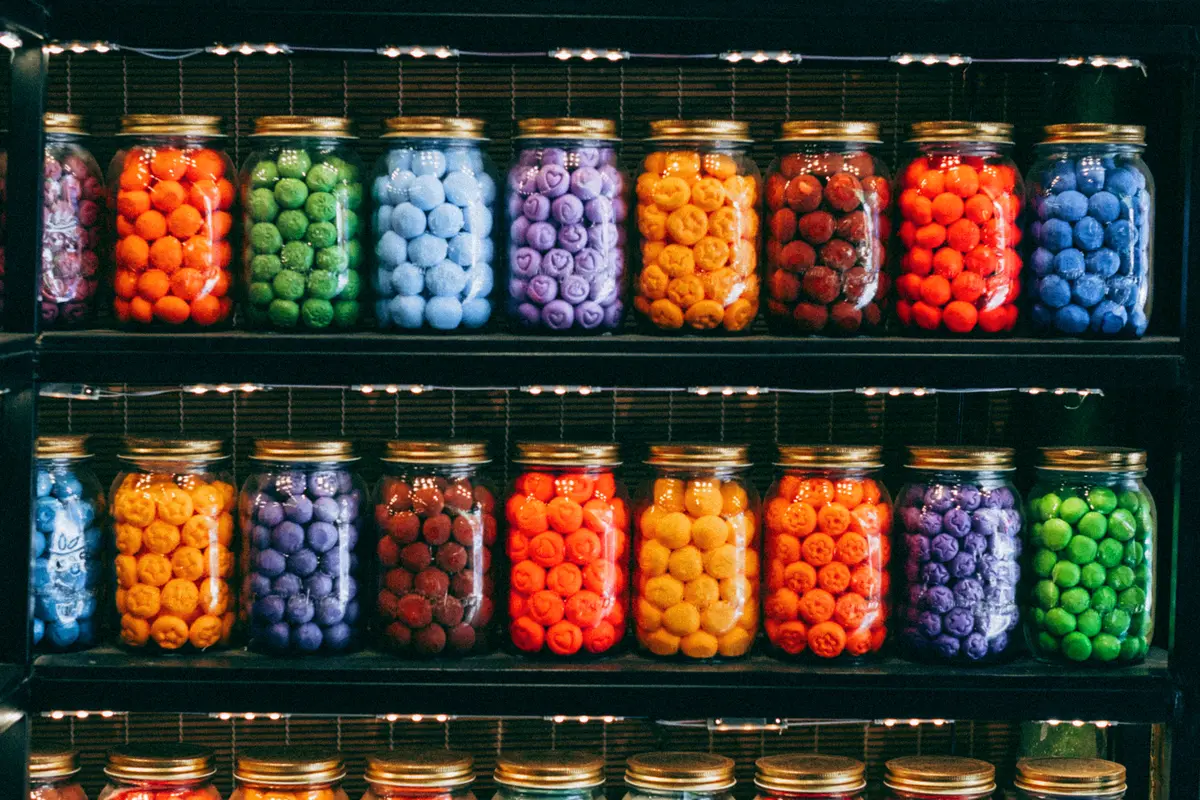
The shift to natural food dyes is accelerating. Food brands are moving away from artificial food dyes due to consumer demand, regulatory pressure, and company commitments.
Natural food dyes introduce new business and supply chain considerations. Food manufacturers need to plan for potential challenges related to sourcing, cost, quality, safety, appeal, and scalability.
Planning ahead can help companies reduce risk and find new opportunities. A proactive strategy can strengthen supplier relationships, support regulatory readiness, and open the door for innovation across food and agriculture.
Most of us have heard the saying, “We eat with our eyes first.” Science proves that it is true: the mere act of looking at food signals to our brain how it will taste, causing a neuro-gastronomic reaction that makes us hungry, and sometimes increases food cravings.
Color is one factor that signals to the consumer how food will taste. For decades, where ingredients do not impart their own color, industry has used artificial or Food, Drug, and Cosmetic (FD&C) colorants or dyes that are batch-certified by the Food and Drug Administration (FDA). Recently, consumer demand for natural alternatives, or non-FD&C colorants, has accelerated, along with a growing patchwork of state legislation, federal plans to phase-out synthetic colorants, and company commitments to transition.
What does this mean for the food that we eat, and the industries involved in producing them?
RTI International recently conducted a study for the National Confectioners Association addressing what the manufacturing, agricultural, and retail landscape might look like if food brands in the United States switched from synthetic dyes to natural dyes. For food companies, this raises practical questions about sourcing, supply chain resilience, product quality, consumer expectations, and regulatory readiness.
(Disclaimer: The following does not assess or characterize the health impacts of FD&C or non-FD&C colorants.)
Below are four takeaways that companies should know about the shifting food dye landscape.
Recently, the food industry has been facing increased pressure to switch to natural dyes. In 2025, the FDA announced a ban on certain dyes, including Red 3, while encouraging brands to voluntarily phase out other synthetic colorants. Consumers are also increasingly demanding “cleaner,” more sustainable food. As a result, several major food brands, like General Mills, announced plans to phase out the use of some synthetic colorants by 2027, and some, like Nestlé, have already delivered on their commitments. Several retailers like Trader Joe’s, ALDI, and Sprouts Farmers Market removed synthetic colorants from their private label brands years ago.
Synthetic dyes—like Red 40, Blue 1, and Yellow 5—are most abundant in beverages, candy, and sweet and savory snacks but are sometimes used in other products like canned vegetables and meats. Market volume data of natural colorants and retail sales data of products containing natural color ingredients both indicate growth in the last year.
Food manufacturers source natural food dyes from plants, spices, minerals, and insects. For instance, betalains from beets, capsanthin from paprika, and carmine from cochineal insects are popular natural alternatives to Red 40. For American manufacturers, most natural dyes are imported, with Asian suppliers dominating the market for several key colorants. This concentration of supply and reliance on imports can increase risks related to quality, geopolitical disruptions, and production instability. Supply diversification may help reduce such risk as demand for natural colorants grows.
A rapid transition to natural food dyes could create quality and safety challenges. Unlike synthetic colorants, which are subject to FDA batch certification requirements, natural colorants are not covered by a comparable certification program. Natural colorants are less stable than their artificial counterparts and are more vulnerable to contaminants, like heavy metals and pathogens, and in some cases adulteration. Quality control and safety are critical to ensuring a successful transition as brands switch to natural dyes.
While every big industrial shift comes with challenges and risk, they can also create opportunities for innovation and collaboration across the food and agriculture industry. The scale of change required to support a broader shift to natural food dyes highlights opportunities for research, technology development, and supply chain expansion that could help address existing limitations in availability, performance, and capacity. These needs create opportunities for agricultural producers, ingredient suppliers, food manufacturers, and researchers to develop the next generation of natural color solutions.
Moving from artificial to natural food dyes may seem like a daunting task for companies. The consumer of the future expects cleaner labels that do not sacrifice the taste, cost, or presentation of their food.
As food brands make the transition, science-based solutions will be necessary to guide innovation. At RTI, we help commercial clients navigate an ever-changing food landscape. Our team of scientists, economists, and business strategists deliver actionable insights that help industry partners turn complexity into competitive advantage by de-risking their supply chains to determine the right path forward.
Learn more about RTI’s food innovation solutions and sign up for The Growth Brief Newsletter to get insights in your inbox.