
Key Takeaways
A national leader in defense innovation: North Carolina has the ability to connect military missions with cutting-edge technology, research, and manufacturing.
Built for technology transition: The state's biotechnology, quantum, and advanced manufacturing sectors have the potential to help move innovations from the lab to the battlefield faster.
Designed for Warfighter advantage: Close collaboration between military users, industry, and researchers will accelerate the development of mission-relevant capabilities at speed and scale.
North Carolina is well known for its premier military installations, including the 82nd Airborne Division, II Marine Expeditionary Force, and Joint Special Operations Command. Across all branches, the state hosts over 100,000 active-duty, reserve, and National Guard personnel, and is home to more than 600,000 veterans.
But military presence alone does not drive defense innovation. It’s North Carolina’s ability to connect operational needs with a world-class ecosystem of entrepreneurs, manufacturers, research firms, and technology developers capable of delivering solutions at speed that sets it apart.
Together, these assets create a powerful engine for accelerating technology transition, connecting innovators directly with defense needs, and delivering mission-relevant capabilities to the Warfighter at speed and scale. From the Charlotte and Piedmont Triad area, renowned for motorsports, aerospace and advanced manufacturing, to the “Silicon Valley of the East” in the Research Triangle Park, and the warfighter-centered entrepreneurs of the Sandhills, North Carolina possesses a built-in infrastructure to facilitate military speed, scale, and tactical advantage through innovation.
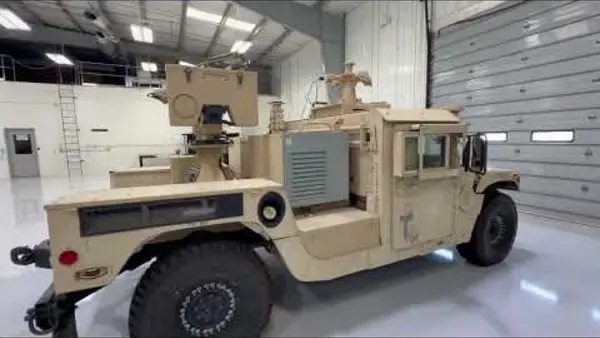
Watch: Mooresville, in North Carolina's Western Piedmont Region, is already a hub for defense innovation, advanced manufacturing, and engineering for national security.
Mission Ready: North Carolina’s Commercial and Innovation Ecosystem
As the U.S. Department of War (DoW) confronts the evolving landscape of warfare and the need to deliver warfighter advantage, North Carolina offers a network of companies and innovators creating advanced capabilities that address the challenge of developing new weapons at the intersection of speed, scale, and cost.
Contested Logistics and Manufacturing
North Carolina's competitive tax policies, streamlined regulations, and strong public-private partnerships create a business-friendly environment where companies can innovate and scale quickly. Deepwater ports, rail networks, interstate corridors, and a growing advanced manufacturing base connect businesses to domestic and global markets while supporting resilient supply chains, distributed manufacturing, and the rapid production capabilities needed for contested environments.
The state's manufacturing strengths extend beyond infrastructure. An advanced manufacturing powerhouse, the state features rapidly growing aerospace, biomanufacturing, and energy industries. As home to NASCAR, North Carolina has cultivated a culture of high-performance engineering focused on lightweight materials, precision manufacturing, rapid prototyping, and systems optimization. These capabilities increasingly support defense applications, where innovations originally developed for motorsports are being adapted for military vehicles, aircraft, autonomous systems, and soldier technologies.
By combining world-class engineering talent with manufacturing capacity and logistics infrastructure, North Carolina offers a powerful environment for advancing contested logistics solutions, accelerating the transition of emerging technologies into mission-relevant capabilities that can be fielded, scaled, and integrated across the defense ecosystem. The result is a statewide ecosystem capable of moving innovations from design and testing to production and deployment with the speed and flexibility required to support national security missions.

NC Innovation Spotlight:
Corvid Technologies advances national security through cutting-edge engineering, modeling, simulation, rapid prototyping, and advanced manufacturing. Working across defense, aerospace, and emerging technologies, Corvid helps accelerate the development, validation, and deployment of mission-critical capabilities, strengthening the nation’s defense industrial base and supporting Warfighter advantage.
Biotechnology
Home to one of the nation's largest life sciences clusters, North Carolina combines world-class research institutions, biomanufacturing infrastructure, commercialization expertise, and a deep bench of startup and industry partners. From advanced therapeutics and bioindustrial manufacturing to diagnostics, synthetic biology, and medical technologies, the state has built an innovation engine that consistently translates scientific discovery into scalable, real-world solutions. This enables the identification of commercial technologies that can strengthen national security, reduce reliance on fragile supply chains, and deliver mission-relevant capabilities to the field at speed.
Across the state, manufacturers, researchers, military installations, and industry partners are developing technologies that protect force health, enhance human performance, improve battlefield medical response, and strengthen biodefense preparedness. This work includes wearable technologies that improve soldier survivability and performance, advanced medical countermeasures, biological threat detection, and next-generation manufacturing capabilities that can rapidly produce critical materials and therapeutics. Combined with the state's large military population and strong public-private partnerships, these capabilities create a direct pathway for testing, validating, and scaling innovations that improve operational effectiveness and ensure America's Warfighters remain healthy, resilient, and prepared for the challenges of future conflicts.

NC Innovation Spotlight:
NCBiotech leads life sciences technology-based economic development for North Carolina by supporting the progression of ideas from the research lab to the marketplace. NCBiotech strengthens the statewide life sciences ecosystem through its transformational programs and by connecting industry, academia, and government to accelerate innovation. It also supports defense-focused startups and advanced technologies that protect Warfighters, strengthen readiness, and enhance national security.
Quantum Tech
Partnerships between industry, research institutes, and academia have positioned North Carolina as a growing leader in quantum technology. The state is home to globally recognized quantum programs at Duke University and NC State University, including the Duke Quantum Center as well as NC State's Quantum Initiative and IBM Quantum Innovation Center.
Together, these institutions are advancing research in quantum computing, networking, communications, and materials while developing the next generation of quantum talent. Combined with North Carolina's collaborative innovation ecosystem, strong technology sector, and commercialization infrastructure, these assets create a foundation for translating quantum discoveries into real-world applications that support national security, advanced manufacturing, cybersecurity, resilient communications, and future decision-advantage capabilities.

NC Innovation Spotlight
With expertise spanning wireless communications, sensors, IoT, wearables, public safety systems, and quantum-enabled communications and networking, the Wireless Research Center connects industry, academia, government, and investors to accelerate technology adoption and real-world impact.
Commercialization
Innovation succeeds when promising technologies can move quickly from the laboratory to real-world application. North Carolina's commercialization ecosystem helps bridge that gap by connecting startups, small businesses, research institutions, industry partners, and end users.
The state's strengths in technology scouting, product development, testing, validation, manufacturing, and business growth create an environment where emerging technologies can mature rapidly and scale efficiently. These capabilities help innovators identify market opportunities, navigate complex adoption pathways, and accelerate the transition of commercial and dual-use technologies into operational use, helping bridge the gap between innovation and mission impact.

NC Innovation Spotlight:
Located near Fort Bragg, WatchTower was founded by local veterans who understand Warfighter needs and the opportunity to accelerate dual-use defense technology.
WatchTower connects Warfighters, founders, investors, and mission partners to help translate operational problems into scalable defense-technology solutions.
Proximity = Speed: Local Military Provides a Testing Ground for Innovation
With one of the nation’s largest military and veteran populations, North Carolina has the unique opportunity to 10X the pace of technology transition into military applications. Proximity to military bases serves as a “testing ground,” where innovation designed for civilian applications can be retrofitted for military use. Feedback can be provided in real time, shortening the timeline from prototype to operational feedback and capability refinement. For example, biotechnology or contested logistics prototypes designed in RTP can be tested at Fort Bragg in Fayetteville and then manufactured in Western North Carolina, connecting the entire state.
North Carolina's concentration of military installations, research entities, technology companies, and advanced manufacturers creates an end-to-end innovation ecosystem that can move promising technologies from concept to deployment faster than other regions. Veteran entrepreneurs, defense contractors, and academic researchers work alongside military stakeholders to identify operational challenges, refine solutions, and accelerate the transition of dual-use technologies into real-world capabilities that enhance mission readiness and operational effectiveness.
Cross-Cutting AI
AI serves as a foundational capability that enhances everything from autonomy and logistics to sensing, decision support, and mission integration. It’s a force multiplier across nearly every defense technology area, enabling autonomous systems, accelerating decision-making, improving operational effectiveness, and connecting data, platforms, and operators across increasingly complex mission environments.
North Carolina's unique combination of research institutions, technology innovators, manufacturers, and military partners creates an ideal environment for applying AI to real-world challenges. RTI and its statewide partners help identify, validate, and scale AI-enabled solutions, accelerating the transition of commercial innovations into mission-ready capabilities that deliver meaningful advantage to the Warfighter.
The Next Defense Innovation Unit (DIU) OnRamp Hub
As the DIU looks to expand its presence in the Southeast, North Carolina’s military installations, technology capabilities, and robust commercial ecosystem make it an ideal location for an OnRamp Hub. Activating the state's established network of veterans, manufacturers, researchers, and innovators will create new opportunities to identify commercially developed technologies, accelerate technology transition, and deliver mission-relevant capabilities to the Warfighter.
RTI and our partners are committed to continuing to form statewide partnerships that will build a successful DIU OnRamp Hub in North Carolina. By serving as a neutral, trusted intermediary, we help organizations navigate collaboration, align around shared goals, and move quickly from concept to deployment.
North Carolina is more than a promising location for a DIU OnRamp Hub; it is a catalyst for defense innovation. With the talent, infrastructure, military presence, and collaborative ecosystem already in place, the state is uniquely positioned to accelerate the delivery of mission-ready capabilities to the Warfighter and strengthen America's technological advantage, ensuring the nation can out-innovate emerging threats through commercial innovation at speed and scale.
RTI is Advancing Mission-Ready Technologies. Find Out How:
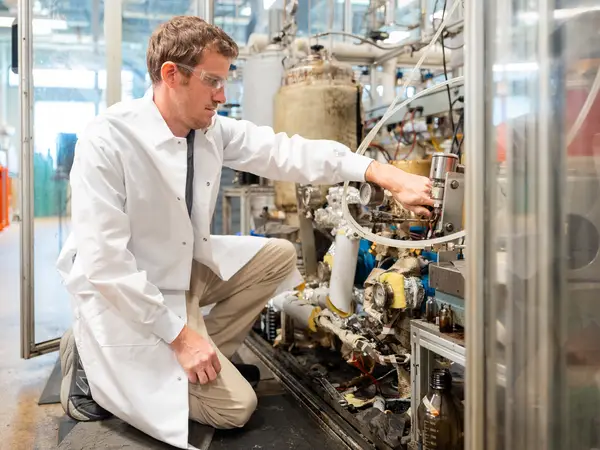
RTI Pilot Xcelerator Facility for Scaling Technology
RTI Pilot Xcelerator (RPX) accelerates the transition of breakthrough technologies from prototype to operational capability. By combining pilot-scale infrastructure, engineering expertise, and commercialization support, RPX helps innovators, government agencies, and industry partners reduce risk, validate performance, and rapidly scale dual-use technologies. As one of the few privately owned pilot facilities in the nation, RPX provides a proven pathway to move promising innovations from the lab into mission-relevant deployment.

Protective Garment Testing for Military Uniform Manufacturers
RTI’s laboratory space features a one-of-its-kind full-body systems test that exposes military uniforms and protective garments to aerosols in a controlled wind tunnel. The facility is equipped with controls for temperature, humidity, wind speed, and aerosol conditions. This wide range of conditions allows for validation of future protective garments that address chemical, biological, radiological, and nuclear warfare.
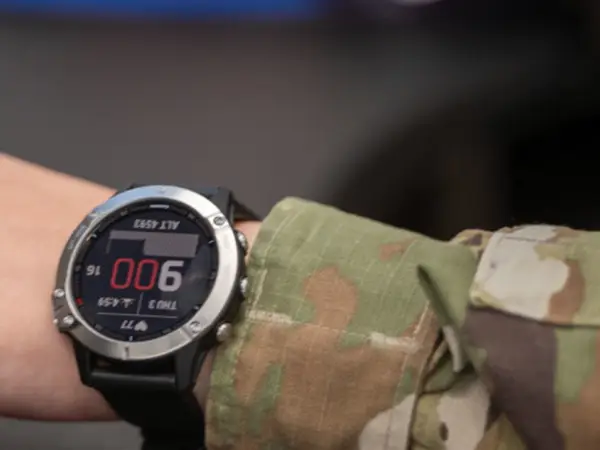
Wearable Technology for Precision Health Monitoring Among Warfighters
RTI developed a platform known as Architecture for Localized Precision Health data Acquisition from Wearables (AlphaWear) for the DoW. AlphaWear uses data from wearable devices, like smart watches, to inform officers of their warfighters’ physical and mental health. The platform monitors heat stress, infection risk, and mental strain.
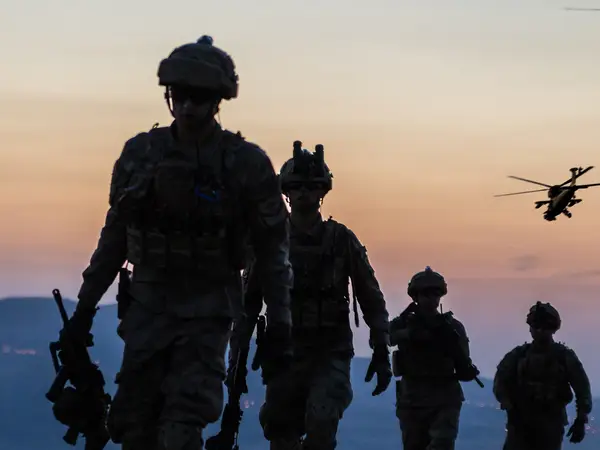
North Carolina Center for Optimizing Military Performance (NC-COMP)
RTI leads the NC-COMP consortium, which brings together 80+ organizations across industry, academia, and government to develop human performance technologies for the DoW. We regularly engage with Fort Bragg and Camp Lejeune to test, evaluate, and deploy new technologies for real-world military applications. Our current large-scale DoW programs include Warfighter Brain Health Integration and Technology Integration/Optimizing the Human Weapon Systems.